We’ve been spending time over the last year designing and constructing a woodshed for ourselves. We started by looking at other people’s woodsheds, but they didn’t answer what we needed – all were fairly small, designed to keep out of the way against a wall or fence and house a shipment of seasoned wood dropped off by a lorry. We were after something different.
We have several trees on the land behind our house, some of them dead and needing to be brought down before they fall down. We had a century-old walnut tree die in 2002 and fall over in 2005, luckily causing no damage – the last surviving walnut tree on our land from the Great War won’t be so kind. It might fall across our drive and our neighbours’ drive, or the busy road we live on, or on our house. A hundred foot tall walnut tree would demolish a good part of our house, solid as it is. We do need to keep felling trees – the walnut, the old crack willow at the far end, the dead ash and the constant elms, sprouting like weeds and dead of disease within a decade.
From felling to burning in the stove is three years minimum – four is better for resinous woods like cedar and pine. We have a large cull of branches from our big cedar (cut in 2018), a very dead fir tree we cut down for my father in 2018, a mature silver birch that fell over after flooding rotted its roots in 2019 and a greengage and a dead pear tree from 2020. We’ve been too busy to cut dead wood this year, but we have a huge ash and the crack willow to fell when we have time. Honey rot fungus has a lot to answer for.
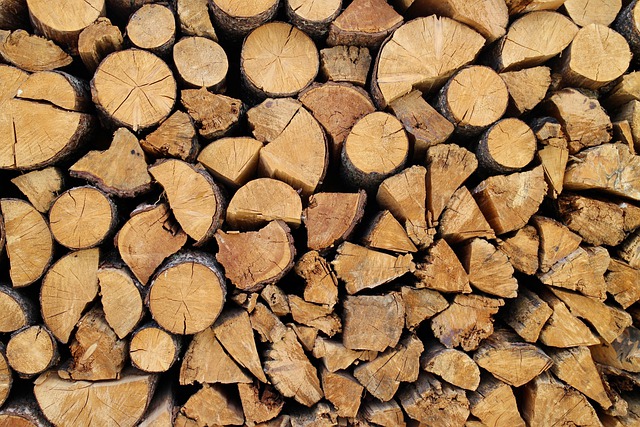
All this wood needs to be stored before it can be safely burned. We’ve been putting our cut wood onto pallets laid under the beech hedge to keep it off the damp floor, covering it with plastic. Not ideal for drying out wood. We needed four large, secure, dry storage areas for four consecutive years – this year’s cut, last year’s, the year before’s, and the three / four year old wood that we’ll be burning in the house stoves this winter. It’s unpleasant, pulling the wet plastic off the wood to grab some for tonight’s warmth in a cold winter evening, and we wanted something better. Plus, the pallets full of covered wood reminded me of Russian sleds, graves, lurking creatures.
We’d laid the concrete base, put up the walls, tied them together into a solid structure and today we put the tin lid on it. A corrugated iron roof, a reminder of the tin roofs we’d found on every brilliant cafe in New Zealand. It was hard lifting them up, but screwing them down was a doddle. The shed is now a shed; walls, floor, roof, all secure and ready to store wood. By Christmas, we’ll be able to walk into the 2018 bay and collect wood to keep us warm for an evening.
Anyone that feels that burning wood is eco-unfriendly might consider that wood releases all the carbon it stores after its death in some way, whether that’s through rotting or burning. We plant trees to replace the trees that have died, trying to choose species that are honey-rot resistant and have no diseases (Dutch elm beetle, sudden oak death, ash dieback, chestnut blight), though the list of diseases grows all the time. And every time we have a power cut, we are very, very grateful for our alternative source of heat.
 Julia Chalkley