Finally, I can call myself a published author!
I started this blog back in November 2020 on the prompting of a fellow writer. She had been on an author branding course and passed on her knowledge to the rest of us. One of her key points was ‘Start a blog’. So I did.
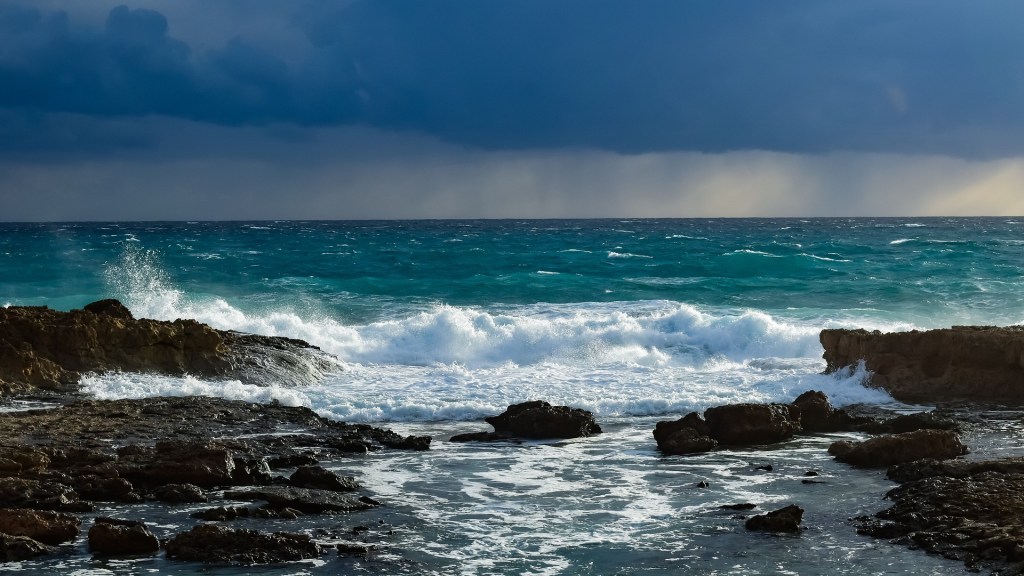
At the same time, the group we were both part of had a virtual meeting (think back… remember, Covid? The first time Zoom came to public attention?). We were all asked to provide a prompt of some kind, whether a quote, a first line or a photo, to spark a piece of creative writing. One of our number posted a photo of a narrow rocky cove near her home and it reminded me of a tiny hidden inlet near the place where my parents took me for holidays in the sixties and seventies. My father drove us down after he’d finished a full day’s work on Friday so that we could enjoy the full Saturday on holiday, and he’d retreat to sleep for a few hours. I was allowed to go off on my own on that Saturday morning, and would often go straight to that cove. On every visit over the years (except for one) there would be nobody there apart from me.
I wrote a short story about a child going to play in that secret place on one precious day every year, and the short story kept going. It included his sister, and then it took in his whole family and what happened to him afterwards, and in its final form it caught up with him in this century – in his sixties, not having lived the life he’d dreamed of (like all of us) but still haunted by that small and secret place that could be deadly if you didn’t scramble out before the sea came roaring in.
I put the first twelve thousand words into the Constable Stag competition. I didn’t tell anyone at the time. My writing group had nine members. Five of them had published novels, a sixth was part of a small group running a literary magazine and a seventh had won the Constable Stag trophy the year before. I’d done none of this. Only first place would do to impress this crowd, and I wasn’t confident of even getting a mention. I got third place, which was a win as far as I was concerned. I had only started to pull the story together seriously a week before the deadline, and writing the synopsis is a bit of a challenge when you aren’t really sure how to finish a runaway story.
This is where the magic of the Scottish Association of Writers took over. I’d won competitions before and been shortlisted too, and I knew that what you get for being selected is a brief email or text and (in one spectacular case later that year) a Zoom call with a direct descendant of Jane Austen’s brother. What you get from SAW is much nicer. You get the judges walking around with everyone else and they are happy to talk. At that year’s conference I got talking to a man who borrowed my SAW program and lost it, and we introduced ourselves on the basis of “You twit!” and “Yeah, sorry!” It was only after I read his name badge that I realised he was that year’s judge for the Constable Stag. I joked that I wasn’t talking to him because he’d put my literary masterpiece into third place, and he said; “The one about the inheritance? Wow. Stay there, I want to talk to you!”
And he did. For the next hour, he told me what had knocked it down to third, and what had lodged it in his memory enough that he was ready to give up an hour in the bar on a Saturday night to cheer me on. He finished by giving me his email address and telling me to write the bloody thing, get it published and tell him when it hit the book shops.
So. I finished the first draft fourteen months ago, having worked out all the plot holes and wrinkles and inconsistencies and spelling errors and, all, of, the, surplus, commas,,, and that is where I hit the professional author stage. This is what you need to do, kids, if you want to make a living off your novels. A small hint, it isn’t easy these days. Making a living is a full time job, even for a writer.
First, find an editor. One who deals with your kind of work. Not someone who edits crime and psychological intrigue (“Thank you for your interest but…”). Not someone who is rooted in American literature, because they’ll want to ‘ize’ all your ‘ise’ and call your female parent ‘Mom’. I did contact an editor who shared a surname with my husband for a laugh, and although we did establish that he and she may well have ancestors in common she didn’t have any spaces for the next ten months. Eventually, a friend recommended Susan Cunningham of Perfect Prose, who she said was thorough and kind. I contacted Susan and we agreed a timetable.
That was last April. Three rounds of editing later, I can recite my novel to you from memory and pinpoint where each phrase was debated at length. She pointed out spelling errors, inconsistencies (‘She said that on page 54, so it shouldn’t be a surprise by now”) and the kind of trip-ups I should have spotted myself (‘You’ve used the word “just” 343 times in 328 pages’). After each round, I sent the revised novel back thinking I’d nailed it, only to get a response of ‘Lovely, but…’
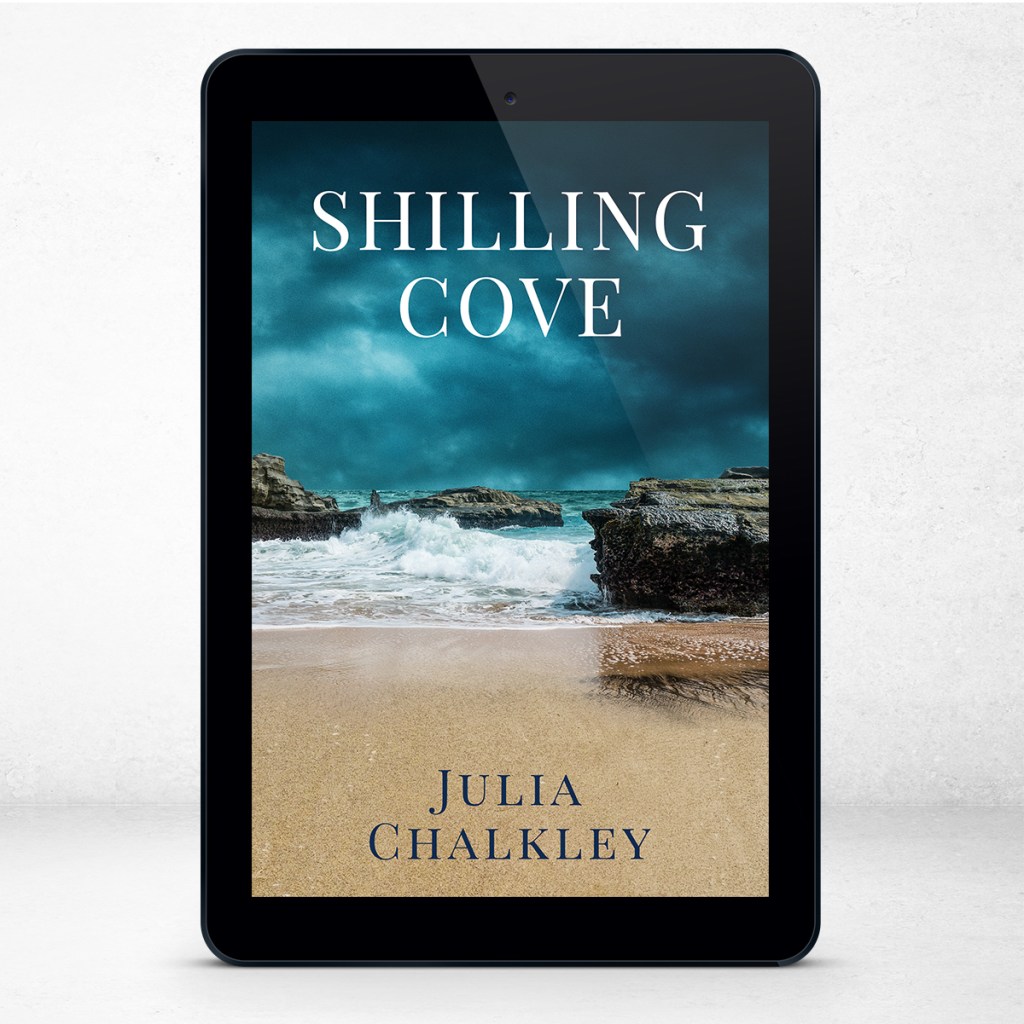
I got the final round of edits back in late October and finished hacking through the work in mid November. In early November, I went to the Gladstone Library with Sisters in Crime and met someone who recommended DeeDee for book cover design. And yes, I did have a good go at designing my own and you really don’t want to see those (unless your life is short on pmsl right now). Cover design has been a saga too, with me taking a look at each new suggestion and saying well, maybe, but… for months on end. DeeDee finally sent me a design that I said yes to, enthusiastically. When I thanked her for having the patience of a saint, I meant it.
Running alongside the final edits and the cover was a crash course in how to format a work written in Word into something the publishing world recognises. To be fair, an author friend of mine offered to format my work, but she warned that if I wanted to tweak a line or chapter heading she’d have to re-format the lot. It was better to have the whole process under my control.
After a shedload of emails to and fro, DeeDee came up with something similar to the cove that inspired the whole novel and I had the document formatted into an e-Pub file ready to upload. I had fought my way through Amazon’s registration process (name, address, tax identification number, height in cubits…) and in theory I was ready to hit the Publish button.
For a start… Amazon has not been any kind of friend to authors in the last few years. Its offshoot Goodreads allowed a one-star review of a novel that had not been released even to pre-publication reviewers, and Amazon responded to the author’s complaint by saying that people were allowed to give a stinking review based on whether they guessed a novel would be shit when it was finally released. They agreed to take down the review only after the trade magazine ‘The Bookseller’ called them to question their thinking. So I went to Kobo (and went through their lengthy registration process too).
I hit publish on both. Kobo delayed for the full 72 hours, but published late on Friday 17th. Amazon whipped into action and put up the novel for pre-order on Thursday 16th, with a publication date of the 22nd. Then I took it back down because I caught some serious errors on my umpteenth run through and the only option Amazon offered was to de-list and go through the whole damn process all over again.
But here goes. If you go onto Kobo or Amazon right now, you can finally shell out £4.00 and buy a copy of ‘Shilling Cove’ as I want people to read it.
It’s about the strangest legal verdicts I heard during my accountancy training, and it’s about the difference between the worst dangers of a sixties childhood versus the nastiest aspects of growing up today. It’s about what can happen if you don’t hurt yourself a little by telling the truth right now against what kind of car-crash your life can become if you let the truth slip and build on a lie. Most of all, it’s about the Cornwall I loved in the 1960s, a place that no longer exists. You can go to the same places where we stayed on those holidays and get no sense at all of how shabby and relaxed and free the place was back then.
As with everything, ‘The End’ doesn’t mean the end. I spotted an error in the version currently up for sale on both platforms, but done is better than perfect and I am going to leave it right where it is. It must be working, because I’ve been contacted about my brilliant debut novel by Harper Collins. Well, by someone who claims to work for Harper Collins, through her gmail account. The scammers have started.
Okay, go. Kobo, Amazon… search for Julia Chalkley. I’m number one zillion in contemporary fiction right now, so buy the book and help me out. Don’t ask about a paperback version, I am still working on that, but it’s on it’s way.