Self-Defence for Gardeners

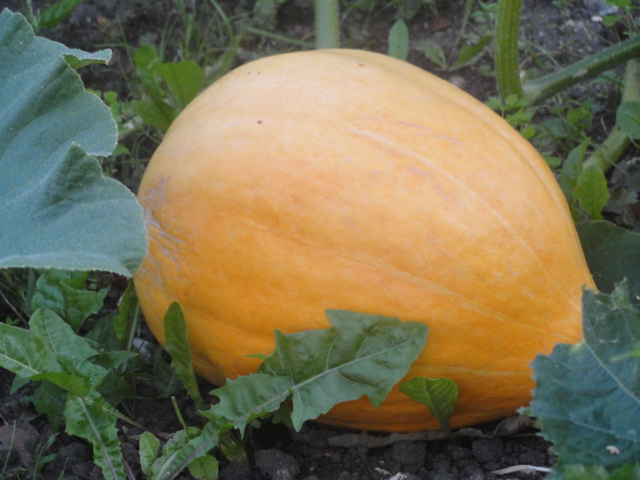
This is the Pacific Giant squash in mid-September… still liftable (just)

There’s been some long gaps between postings this autumn and winter. So what have I been up? In brief – a lot of writing, a most enormous amount of wall-building and not enough gardening to save us from a Zucchini Tsunami and the Giant Monster Squash.

The wall in question is the second wall for the veg patch. Our garden slopes gently down from the southern corner to the northern corner, so previous owners have flattened that slope by creating terraces. We built a wall at the top of the vegetable patch in 2020, and this year we have replaced the rotting wooden barricade at the lower end of the patch with another, taller wall. One paragraph, but a lot of work and a huge amount of fun.

At a price, though. We neglected to practise the Art of Self-Defence (Gardener style). About two-thirds of the courgettes grew up to be marrows. One of the monster Pacific Giant squashes got bitten by a vampire slug and rotted on the vine. The tomatoes were cramped together in a tray in the greenhouse rather than being planted out in the polytunnel or in growbags. The promise I made to sacrifice the entire mange-tout crop to a Chinese stir-fry went the way of all politician’s promises (“Did I say that?”).

It hasn’t turned out too badly. I have a large bagful of Greek soup beans, lots of kale and leeks and even some surviving Brussel sprouts this year. A good crop of cucumbers and sweet peppers, and even one enthusiastic Wicked Witch chilli plant which is going to provide me with enough seeds to plant Wicked Witches for the next five or six years. Incidentally, if you harvest seeds from a pepper plant and don’t label them, I have discovered an easy way to distinguish sweet pepper seeds from chili pepper seeds. Bite one. Just one. If your whole face isn’t numb within seconds, it’s a sweet pepper seed. I wish it had been a sweet pepper seed.

We mixed the last lot of cement for bricks in September and in October we set the coping stones and cleared away the debris. I brought in one of the Pacific squashes as it had turned Hallowe’en orange and was ready to cook. I asked himself for help bringing in the last Pacific squash. He thought I already had brought it in? No, I said. That was the smallest squash. This is the biggest one – so fetch the wheelbarrow. It lurked under cover for a week, thirty three kilos of loveliness, huge and orange like a certain politician but a damn sight more useful. It took three days to cut it up, process it into cubes and soups and save the seeds. Though I was asked more than once if I really needed to save the seeds – do I intend to go on growing squashes bigger than I could lift?

That’s a size 7 boot next to this monster

I’ve learned a fair bit from this year of vegetable neglect. The tomatoes have been prolific even without being pinched out, and we’ve had more tomato sauce from them than in any year before. The potatoes gave up early on, but the onions grew fat and juicy. The early carrots did well, but the later sowings should have been thinned out in August. The melons we sowed deliberately have provided one tiny fruit between four plants; the Eden’s Gem vine sprouting from the seeds of a melon carelessly dropped and split in 2022 provided five fruit. A bit more neglect and less frantic gardening might give us better results. And more time for sitting in the sun.

A few of the items grown this year – the blocky green peppers were better than those in the shops.

If I needed any incentive to sit back and chill out more, I got it from the local news in October. A lorry overturned on a major local road (the driver escaped with minor cuts) and the road was covered with some poor farmer’s whole crop of red onions. Tons of them. The FaceBook Warriors had a ruddy field day, pardon the pun. “Find a hard shoulder to cry on” “Peel off that road and find another root” “That’s shallot guys”. I reckon top prize for wit goes to; “The driver remains onionymous”. If you enjoyed the beef in the passenger seat from Norfolk, Nebraska in August (https://www.bbc.co.uk/news/av/world-us-canada-66668411) then Suffolk’s vegetable offering will have you crying with laughter.

The next stage is hard work, but fun. Making soup out of the squashes and Greek soup beans. Jelly from the quinces. Pickling and braising the red cabbages. We’ll be eating the onions and potatoes all winter, and the soups will freeze in batches and last round to the cold days of next spring. There’s something about eating meals made from your own vegetables that gives that extra cheering element. The leeks are starting to thicken a little and the kale and cabbage and brussels are putting on muscle in preparation for winter.

First we had to fend off the local muntjac. Not content with wandering around the garden most nights belching like a pack of beer-soaked teenagers, they discovered that we’d grown some tasty brassicas and helped themselves. They stripped most of the leaves off the brussel sprout plants I’d planted from seed in February and had been coaxing to full size since, and ripped some of the cavallo nero kale to shreds. I had to cover the brassica patch with mesh to give the plants a thin chance of escaping being eaten by deer until we’re ready to… yeah, their fate was sealed one way or another from the moment they put their green sprouts above the soil.

Earlier today my worries got the better of me and I dug up the best sprout plant to fetch it indoors. It’s standing with its roots in a bucket of water in a cool corner of the utility room right now, safe from marauding venison. It would be the last stalk of sprouts left in any decent greengrocers, the tatty little sprouts very loose-leaved – but it’s ours, and we will enjoy it. Those sprouts will sit alongside the few remaining potatoes that we grew this year, a baked onion (ours), our own parsnips mashed with cream and pepper and roasted carrots (local farm shop… but I picked up some good ideas on how to grow great carrots next year from the shopkeeper).

The carnivore of the household will tell you about the turkey fighting for a patch among the veg on the plate. We haven’t been daft enough to raise our own turkey. We’d be the soft lot serving up nut roast and rushing out to feed the turkey – who had looked at us so adoringly when we went out with the axe that we couldn’t bear to… We supported the local butcher’s shop instead.

I wish you all a happy Christmas, hope you raised a glass of your favourite liquid to the turn of the year from darker to lighter and may 2024 be kind to you all.

Gone

This isn’t the post I intended to write tonight.

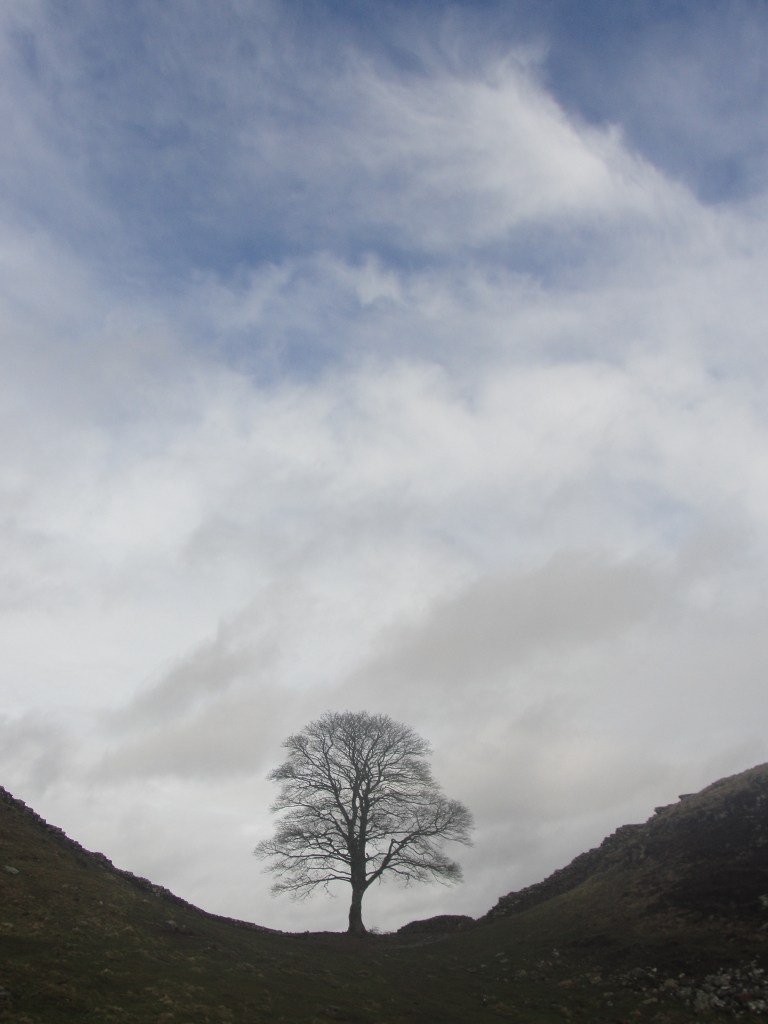
I’ve just heard that the famous sycamore tree at Sycamore Gap has been cut down. Deliberately, and not for safety reasons; as an act of vandalism. A sixteen year old boy has been detained for questioning tonight. Not making any guesses as to whether he was the one cutting the tree, or one of a group, or just someone who posted a video of the act on his social media accounts.

I don’t care who did it and why. The tree is down. There are thousands of images of that tree – not just the ones you can buy in the local shops on postcards and prints, but in the scrapbooks and files of people who made the trek to see it. People like the couple from Florida who came to England to see that tree (because it was in their favourite film). People like us who just wanted to see that perfect dip filled with a tree.

We saw it just once, this March, and now I am really grateful that we took the time to walk there. I hoped to go back and see it in full leaf or on a clear winter night with the Plough in the sky beyond it, but now that’s never going to happen.

What has really upset me is that this is just another incident of destructive, spiteful, unpleasant acts that have no benefit at all for anyone – not even the person who committed the act – and work to make life a little less magical for everyone else. I clear up the litter beside the road outside my house because the council never will do it and I hate seeing that someone has dumped their rubbish where I have to see it. I’ve slowed up on litterpicking. Two or three hours’ work will fill a couple of rubbish bags (which I have paid for, as my only attempt to get litterpicking equipment was met with a round of “Not me, ask him…” “No, not me, ask her…” that turned into a longer waste of my time than walking alongside the road picking up plastic bottles full of piss and discarded fast food containers and beer cans and even things like the cardbox box that once contained the prescription medicine of the person named on the label and an entire strip of cheap machine-dispensed nails. Within three days, there was more rubbish chucked out at the same place.

I’m tired of picking up after people who don’t care how they ruin a place for others. I am really tired of hearing what weak excuse they had for acting like a chimpanzee. I am angry that the penalty will probably be to do x hours of unpaid work (and I know how hard it is to get someone to do a few hours of paid work when there’s FaceBook to be checked). I don’t see any solution, or any way of stopping this. And there is no repair for this damage. They might carve some kind of totem pole from its trunk and place it where the tree once stood, but I for one could not bear to see it.

This Is Danny

I haven’t been allowed to say anything about this up to now. I was shortlisted for the 2023 Jane Austen Literary Foundation’s short story competition. Didn’t win – the story that did was very clever and a touch spooky, whereas mine was pretty clunky (it was a last-minute substitute for a much darker story that I wrote out halfway and then disliked).

Mine was based on a woman I met at an Open University residential school some twenty years ago. We were sitting waiting for our lifts home, and she was nose down in a book, completely ignoring me. She did apologise, when she finally looked up to turn a page. She explained that she had dyslexia, and that her school had completely missed diagnosing it. She’d learned to read in her early twenties and now she read constantly, trying to catch up. I think the book she had was one of the Winnie the Pooh stories – something I read at eight years old. What has stayed with me is the look on her face – just so excited to be finally able to read all these books. She couldn’t stop smiling.

As the Jane Austen Literacy Foundation was set up as a charity to promote literacy skills, it felt like this was the ideal story to tell. My fiction based on that woman – a story called ‘This Is Danny’ – will be included in an audiobook of the three finalists later this year. The proceeds of the book will go to the JALF charity. Nothing to me. I don’t care. I’m chuffed just to be published.

Just Another Day in Paradise

We had a few days in Ironbridge recently, visiting all the places we didn’t get around to last time. Including places we didn’t realise existed (like the street named Paradise – we visited Hell in Norway some years ago, so this was the logical destination).

This time, we headed for the Jackfield Tile Museum and the Coalport China Museum on our first day. Having seen tiles being made on The Great Pottery Throwdown, we were keen to see whether this was how they were made here – but of course, this was a factory. No careful individual rolling out. The range of designs was amazing, and there’s an entire lifetime collection donated by someone who bought a single tile in 1968 and got hooked on collecting more.

It’s easy to miss the fact that the Victorians started the push for better hygeine, public lavatories everywhere to keep the common folk from piddling in the gutters and of course, tiled walls and floors are easier to keep clean than wood or stone. The tile industry took off. Jackfield supplied tiles for the stations being built on the London Underground. We looked everywhere for the tiles we uncovered on our kitchen floor without finding anything like them, but I suspect they are late Victorian or early 20th century. Maybe on a future visit I can take a photo of the tiles to Jackfield and ask them.

Between Jackfield and Coalport is an old tile factory that used to be run by the Maws family. These days, it hosts a gathering of artists and craftspeople. It’s worth a visit – in many of the places, artists sit working on their pieces and they are happy to chat to visitors about the techniques they use. I dropped in on a man making jewellery out of coins (legally) and then we were invited in to a model making studio. Beautiful, accurate, detailed models.

I had to include this photo of the door of the Boat Inn at Coalport. The Severn was boiling along quietly about twenty feet below the doorstep level at this point, and it was hard to believe that it reached this height even once – but clearly, this is an annual event. Only 2017 and 2018 breaks the run of at least one high flood a year since 2008.

Over the bridge to the Coalport side, and a canal full of ducks. And drakes. And several fluffy ducklings zooming around like a group of wind-up toys. A drake made a dive into one of the floating duck islands while we were there, and a duck came flying out, followed shortly afterwards by six ducklings.

Coalport China Museum. They have photos there of the staff in 1951, some of whom were in their seventies and still working. The old equipment and moulds are still preserved, and there are staff working there who are happy to chat to visitors about the history of the factory – a special thank-you to Janice, who took a great deal of time at the end of a long day to talk to us. They suffer just as badly when the Severn floods, and they have photos of the factory during lockdown with river up to the fourth course of bricks. They get warnings, and they can move artefacts up to a higher level, but the scrubbing job afterwards is probably beyond belief.

Back to the accommodation via the chip shop. Yes, not healthy, but it was that halfway time of night when every cafe had shut its doors and none of the restaurants were serving. By the time we got back to our own room we had walked somewhere between eight and ten miles and were not too inclined to walk back down the hill and then back up with a full meal on board. Not just not inclined – barely capable of walking.

Day Two, and we were headed for Blists Hill. All the way back out to Coalport, up the hill to the Shakespeare Inn and then more up – up until we were sure we’d missed a sign somewhere and were headed for the outskirts of Telford. Just as we were about to reach the top of the ridge, we got to the entrance of Blists Hill Town.

Blists Hill is a town frozen in 1900, the last full year of Victoria’s reign. Many of the shops and cottages have been rebuilt there from buildings demolished elsewhere, or preserved where they stood. The contents of the chemist’s shop above came from a Bristol chemist that closed down with so many ancient boxes and tins and dusty old artefacts in its store-room that it was a museum in itself. There was a dentist’s chair in a side room, ready to have a patient strapped in and teeth pulled out. Reminded me of the people who pulled out their own teeth during lockdown. Have we really got so far back to Victorian times?

The haberdasher’s shop dresses their window in mourning every January as a tribute to Queen Victoria and a stalwart early volunteer, both of whom died in January (different years). They sell embroidered and tartan hankies, ribbon and fabric. Just up the road, the sweet shop sells traditional sweets from jars in ounces. Sad to say, something we both remember from our childhoods. If we’d wanted to be authentic we would have changed up our modern money for Victorian coins – all the shops take both currencies and card as well – but the bank was full (and I worked in a bank with Victorian values, and thank you, I don’t want to go back). The shops all function as shops, by the way. You can buy cloth in the haberdashery, bread and cake in the bakers, scent from the chemist and beef-fat chips from the chip-shop. We arrived at the stables just in time to see the Shire horses being harnessed for their outing – a film crew were busy at the warehouse, filming an episode of ‘Belgravia’, and I assume there’ll be two solid Shires plodding past in the background.

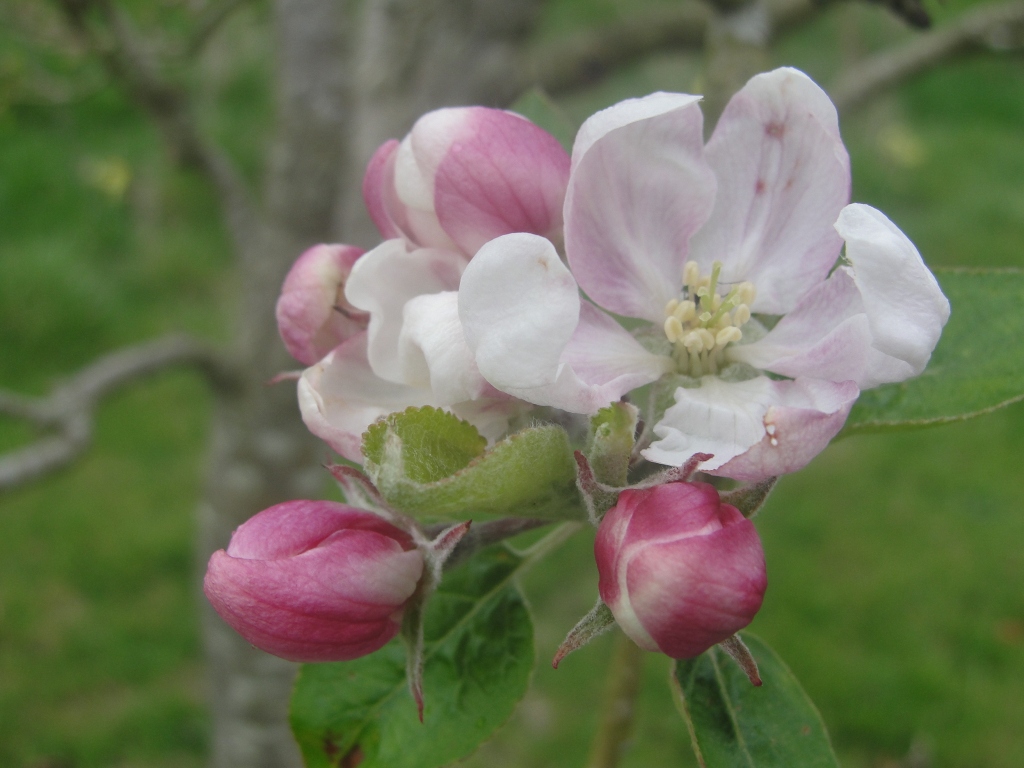
Our feet were begging to go home by this point, and we agreed. It was another four miles home. It went faster this time, probably because we were walking downhill and because we recognised waypoints. We didn’t realise it at the time, but the orchard we walked past was the Coalport Community Orchard, and we could have gone in and wandered among the blossom.

It was an ambition this time, to wander around the Woodside Community Orchard while it was in blossom and compare it to our own local orchard, but every time I put it off. My legs and feet hurt every evening, and they hurt so much on the morning we left that I was just grateful to be able to lower myself into the driver’s seat. No chance I could have walked uphill for half a mile and enjoyed the view. We got home and enjoyed the chance to put our aching feet up.

Still. A great couple of days away. Next?
The Joys of Mowing

It seems to be the majority of my time in late March and early April – on the rota for mowing the grass in the community green space and spending my time finding where the key was hidden by the previous mower, lugging fuel down to refill the empty can, working out why the mower won’t start (flat battery) and charging the battery. Which took three days. At the end of which, Himself came down to help lug the battery and repair the snapped battery strap and then see that the mower fired up.

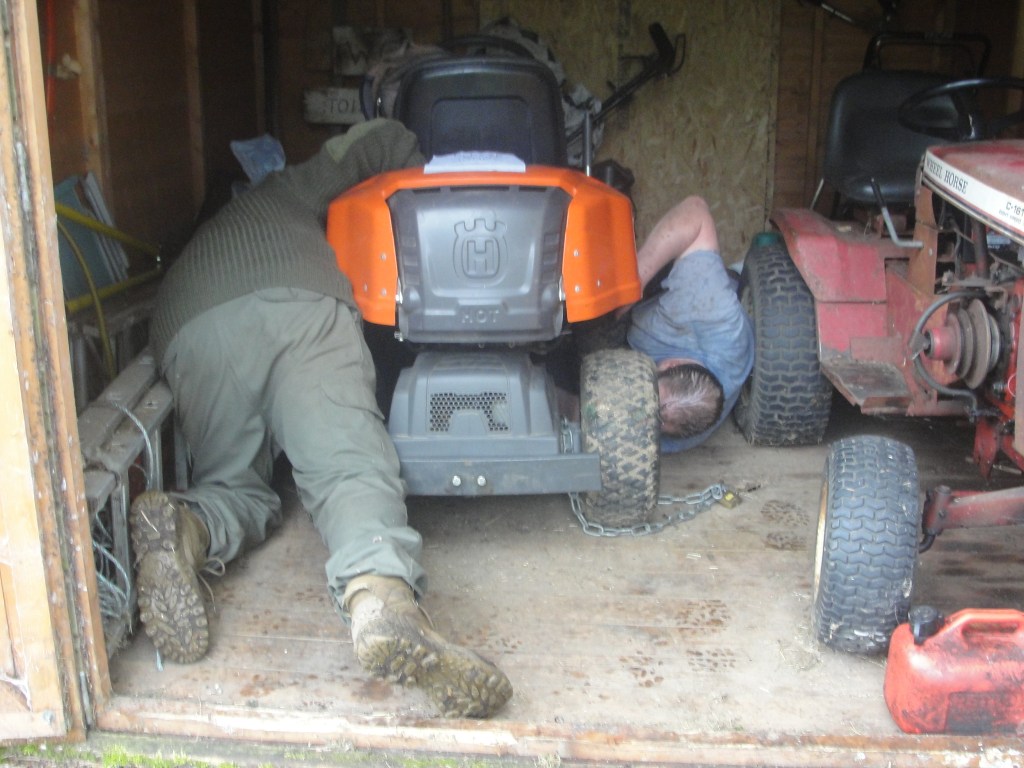
It did. I got an entire 110 minutes mowing before the mower clunked to a halt. A bolt had loosened and dropped out, which left the key locking the pulley to the rear axle unsecured. I stopped the mower to check the Supervisor was awake and suddenly it wouldn’t drive forward or back. When we pushed the mower forward, we found the key had worked loose and dropped out.

Here’s the thing. It takes a minute’s carelessness to not drop a dob of Loctite on the threads of the bolt securing the key in place to let the bolt work loose and fall out – after which, a session of bumping over rough ground will knock the key out of place. It takes three or four hours to disassemble the mower engine enough to slot the key back into place and get the mower fulfilling its purpose again. Hours of fun and puzzle for the two engineers shown digging in the innards. Much more fun than mowing.

I’ve stood down from committee duties on the local woodland trust, though it seems it might take a while for the message to filter through that the committee work should really be assigned to – actual committee members. I’m hoping that by the end of May I will have sorted through all the overhanging worl and will be free to put more time into other hobbies. I will press on with getting the trees in the orchard labelled correctly, however long that takes. The current labels are plastic, cracking and sometimes illegible, but a committee member has suggested that he can help with supplying wood scraps for labels and some ideas on marking them. It would be the final step in getting the orchard open to everyone.

So after a long wet day working in the woodland and a committee meeting, that’s me out. Must be some writing I need to get on with?

Sycamore Gap

The previous post was completely full up with all the goings on in Scotland – hard to believe that we were there for just two days. Northumberland took up just one full day, but I think this post will be just as long.

We were watching the weather forecasts with a bit of concern as there was the threat of snow north of the Manchester / Sheffield / Grimsby line on the afternoon we travelled up. In the end, we ran into one light snowstorm on the A69, right at the end of the trip. Snow had settled on the tops of the hills and the temperature outside was around zero – so we were driving wary of ice.

The room at the Twice Brewed Inn was much nicer than I’d expected, but cold at first. We thought it was because we’d arrived early, but the following day we realised that the cleaning staff propped the exit door next to ours open for about an hour to get all the laundry shipped down the outside stairs. The room went from cosy to chilly and took another hour to warm up. Not usually a problem as we would have been out at that time, but we’d packed the visit full this time and were sprawled out knackered in the room.

Up early on Thursday and out straight after breakfast. The Twice Brewed is the closest accommodation (apart from Peel Cottage) to Sycamore Gap. That’s the dip in the escarpment near Milecastle 39 where the most photographed tree in Britain fills that gap magnificently. We tried to find it last year and ran out of time before we could get there, but we promised ourselves we’d go back.

We were close, last time we were there – just thirty minutes’ walk from the tree, though it would have been thirty minutes in rain and high winds. This time we were walking on wet rock and muddy ground but in light drizzle at worst. We took the high route to the gap – up a narrow, twisty rock stairway that looked very like Cirith Ungol on the borders of Mordor. I watched the hobbits climbing those steps thinking that I couldn’t cope with that steep climb myself. I can, but just.

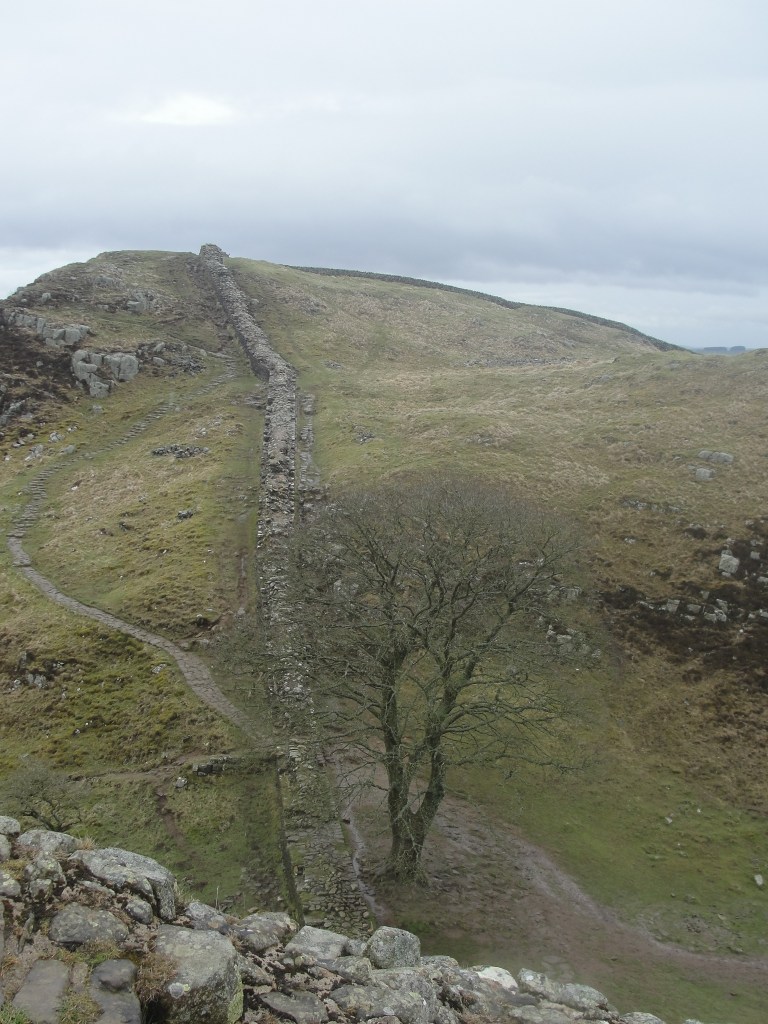
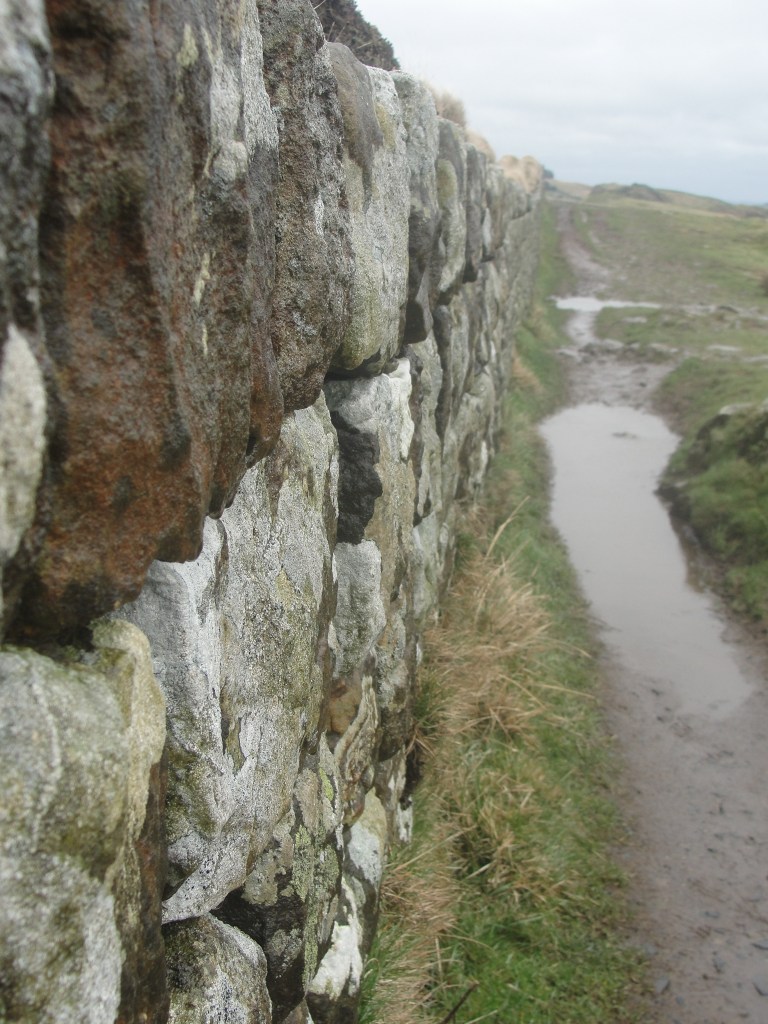
The path follows Hadrian’s Wall and runs up, over the peak and down into the trough of a gap – then up another peak, down into a trough where Milecastle 39 is – then up, over a peak and suddenly, you’re looking down on the tree. I gave up at that point on ups and downs – my feet had slipped twice on wet, muddy rock steps and that last descent was near to vertical. We retreated to the milecastle and took the lower path, the flat level track that went around the back of the escarpment. I could imagine the Roman soldiers marching along that hidden track and walking up into full view of any approaching raiders.

We were joined by two people from Florida who wanted to visit this tree because (apparently) Kevin Costner climbed it in the film ‘Robin Hood, Prince of Thieves’. Why they couldn’t send him up a tree in Nottinghamshire is beyond me. We spent a few minutes enjoying the view and then walked back. Missing the spectacular rainbow to the north by about ten minutes, but hey. I guess somebody has captured that shot in the past.

Back down to The Sill, the magnificent visitors’ centre next to the Twice Brewed. Hot coffee and lunch, then to visit their exhibition – Jackie Morris and Robert McFarlane’s Lost Spells. Her artwork is wonderful, and we were seeing it while listening to the Spells, a series of poems about the creatures with recordings of their calls in the background.

Back to the inn for a shower and tea before dinner and stargazing. Yup. It was cloudy. But still, we had a long session in the planetarium dome set up nearby and a few dashes outside to glimpse the stars whenever the clouds cleared away. At the end of the evening the presenter passed around his collection of meteorites. A tiny, dense meteorite. A chip off the rock that exploded in the skies over Chelyabinsk in 2013. A piece of the Moon that landed on Earth and finally the most incredible thing – a miniscule fleck from a meteorite which matches the composition of Mars surface rock. Sneeze and it’s gone.

A good night’s sleep before packing away and getting ready for the trip to Scotland. Leaving on a clear, bright, sunny morning on Hadrian’s Wall and driving into… Well, we expected rain, and we weren’t disappointed.

Coming Up Blank

Can my close friends look away now, please. I don’t want to bore them. But this was an absolute high point of the year, and we’re just eleven weeks in.

I entered five competitions at the Scottish Association of Writers, some more as an exercise in hope than with any real hope of getting somewhere. SAW state that they have been “Promoting excellence in writing since 1969”; while I can’t speak for the earlier years, they are most definitely doing that today. The judges offer critiques on every entry, and they are detailed enough to tell you where you went astray and where you hit the mark. All the critiques I received were kind and pointed the way to better writing next time.

My short story sank without trace, and I agree with them. My general article was too detailed for their requirements – more academic than entertaining. The winner read out his entry at the conference, and I know I can’t match that standard (but I will improve like mad in the attempt). It was beautiful. It was informative and lyrical. The poem I wrote in thirty minutes flat was longlisted – okay, that’s top nineteen or maybe twelve, but it relied heavily on the sharp loss of a good friend for its impact, and the judge didn’t know her, so perhaps I put across the sense of what we’d lost better than I realised.

I was told in advance that my short sketch had been placed in the top three (and please bring copies so that we could perform the winning sketch at conference – change pants now…). Thank Evans they judged this on Friday, or it would have ruined my enjoyment of the whole conference. I sat at Table Four with two of my group (already primed and given copies to sweat over) and heard them count down. Third was described as ‘a touch too long’ and I relaxed. That’s me, I said, and then they read the title and it wasn’t. Second was… maybe mine, and then they read the name and I all but collapsed. I’m pleased now, but right then I dreaded having to stand up and perform. My companions were hissing “Is that you?” and I was saying Shit, no, I’ve won.

Bless the pair of them, they stood up in front of a full hall and performed a piece they’d read just an hour before. I owe them both a large stiff drink for that. The judges came over to talk to me and tell me how much they’d loved the piece, and I had to tell them that I’d written in in four hours flat for a play-writing challenge. 28 Plays Later and The Literal Challenge crew have done me a whole load of good.

I thought that that was the worst over with, but the Saturday night was a gala dinner. The women dressed up. The men wore trousers and shirts. Himself wore his best black jeans and a shirt, and I was… smart in my own terms. Meaning not wearing gardening cargoes and actually wearing shoes. Clean blue jeans and boots with a decent T and a silk scarf bought at The Sill near Vindolanda. This is how I went up to collect my trophy. Must try harder next year.

Next year, must also not swear during the announcements, but in my defence, m’lud, I wasn’t expecting it. During the reading of the results for the May Marshall Book review, they announced the Highly Commended book review as ‘Essex Dogs’ and I think everyone in the hall heard me say “Shit!” By the time they announced my name and I stood up to wave and cheer, I think they knew it was the potty English woman in the corner who’d got fourth place. Thanks to the critique, I know how I can improve on that (whether I can beat the standard of this year’s winner is unlikely, but it will be fun trying).

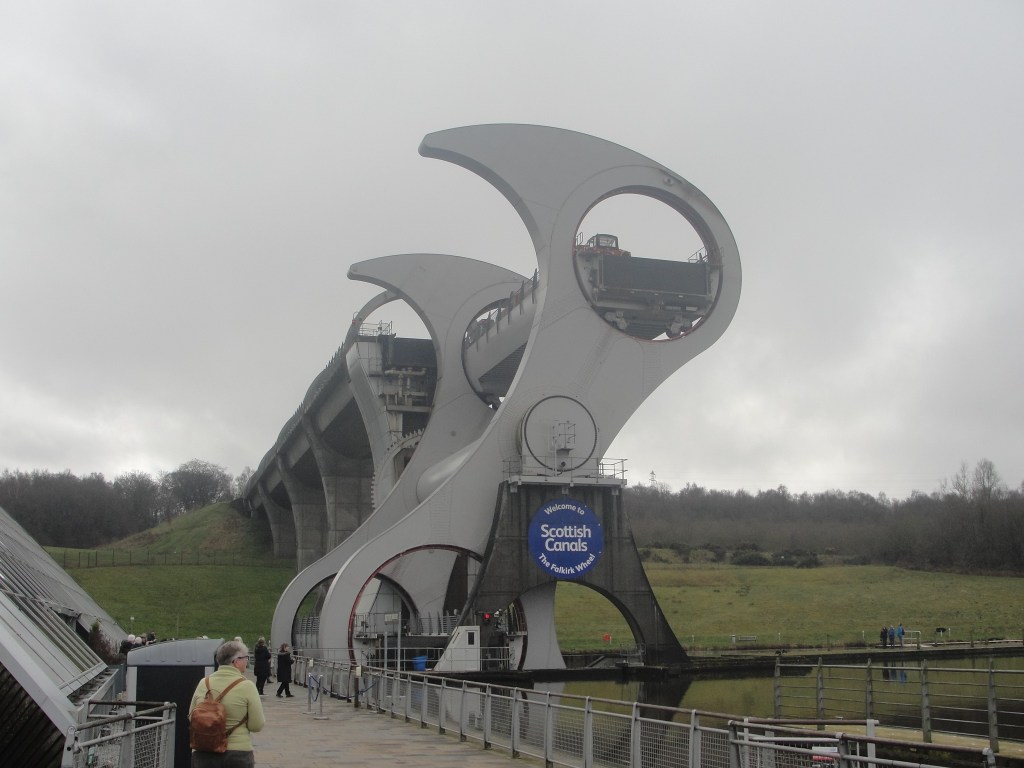
While I was sitting in the workshops (excellent, excellent workshops) Himself was off exploring the nearby Falkirk Wheel. He knew it was big, but thinking it and standing under those huge wheels is two different beasts. You know what comes next. “We have to come back.” I have to admit to being a fan of good engineering, and I want to see these wheels for myself.

I wasn’t expecting to enjoy the conference. The English aren’t known to be welcome in Scotland, and some don’t distinguish between the ruling class and the English who have to put up with them. Don’t tell me that we elected these MPs. I get one vote out of thousands, and last election I was asked to choose between a clown, a pig or a donkey – or not voting at all.

The SAW Conference was a friendly and cheerful affair and I’m pleased to say I’ll go back. For longer next time. With a visit to the Falkirk Wheel and the Kelpies included.

28 Plays – Encore!

That feeling when you wake up and another month has gone, and somehow you can’t remember what you did? That’s February, in this house. I spent a large part of the month head-down at the laptop, writing plays. Not as impressive as it sounds, as they will accept even one page wonders and utterly dud plays (as they said; “Who are you cheating if you write something that you don’t count as a play?”). I have a stack of 28 plays of lengths varying between five and twenty minutes, some of them interesting enough to expand into 45 minute radio dramas or even a decent sixty to ninety minute plays.

And some, I admit it, are complete shit. You can predict it, really, that when the brief asked for a play about the body parts or systems, that I wrote about the digestive system with the bowels as the hero (title: ‘This Is Shit’). The one I had the most hope for, the call for a one act play that was a match to one of the previous plays in the series, was probably the worst turkey of the whole flock – I thought I’d mirror writing Hamlet as a black comedy by turning the Merry Wives of Windsor into the kind of over-the-top slaughterfest that turns up in the last scene of the real Hamlet.

The theme of redemption sent most of the other playwrights off on spiritual quests, while my main character pawned her fiancee’s engagement ring and then frantically tried to retrieve it (too late…). The play to explain my name took a long time, as I lay claim to three surnames and three first names, but the jazz play based on a frantic family morning was short and real fun to write. Far more fun than the brief asking for our take on AI and the nature of truth.

The final brief brought us back to the first brief – about time – by asking for a play about a place where there was no time. Sad git that I am, first stop was the New Scientist to find their thoughts on the nature of Time. Basically – if there is no time passing, nothing can happen, which sort of defeats the object of putting on a stage play. By early afternoon today, I finished it, added a title and sent it. And that was it. Twenty eight plays later, and I’m free… to catch up on all the things I put to one side.

Just as I submitted that last play, Globe Soup sent an email to all contestants to announce the winners of last year’s Paranormal contest. And I’m on it. Not the winner, but one of thirty runners up. Nobody upset me by saying that there were only thirty one entries. Please.

Please, Don’t Die

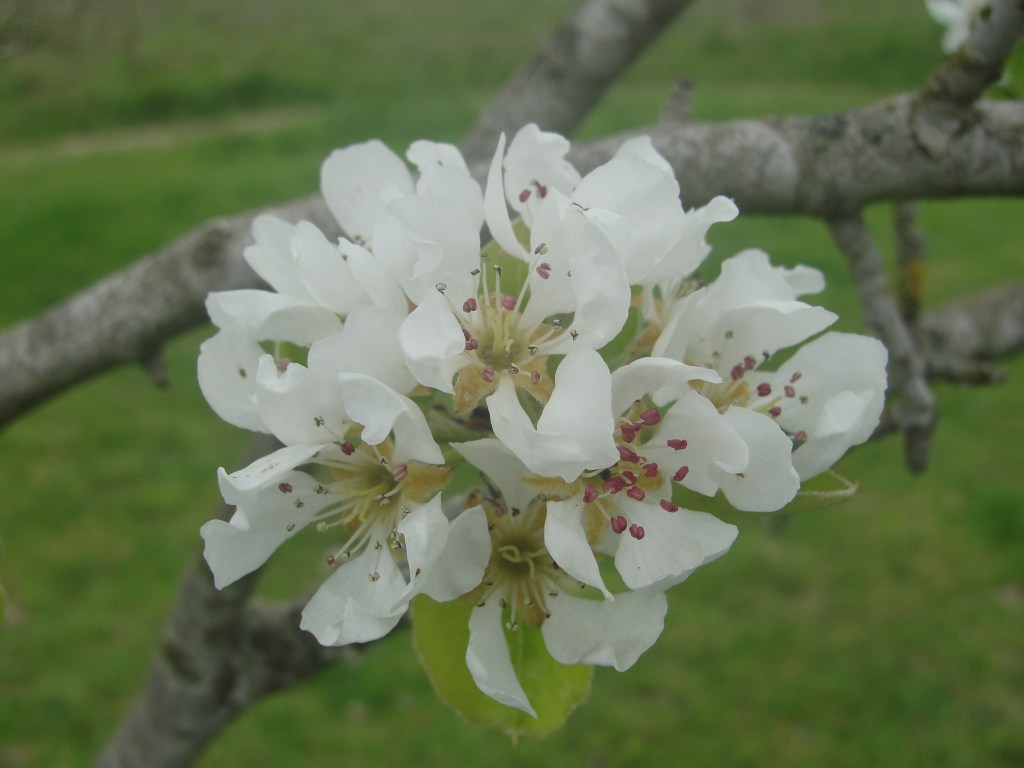
Sequioa, Dawn Redwood, by Xu Bing, Pixabay

Yup, slightly alarming title. I admit it was a bit scary for me, too. We went to a talk on foraging wild food on Thursday evening, and the speaker laid out a load of plants on his table and began to talk to us all about foraging. He was a little nervous, as he usually took people on a wander around the Wethersfield Eco Project and the surrounding grounds to see the plants themselves in their natural habitat – this was a new format for him and he was worried that it wouldn’t engage his audience.

He started by talking about water. Foraging water. The topic of foraged water continued for about twenty minutes, and he could have continued all night as far as we were concerned. He had only drunk water from the spring on the farm for the last two or three decades and loved it – and he’d brought along a two-litre jug of it for us to share. ‘Anyone want some?’ he asked. At first we all shrugged – the glasses we had were full of ginger ale, gin and tonic or mead. The second call, I’d drunk my ginger ale and was the first one up. Tim filled my glass. ‘Please, don’t die,’ he said, as he began to pour. He was joking. I hoped. The water was fabulous, cool and slightly chalky in a very pleasant way. It was a small compensation for having missed out on the chance to slug back some glacier meltwater in Milford Haven in 2014 (we were later told that the glacier itself was due to melt completely, with the last of that ancient ice flowing into the Sound by 2020. I haven’t wanted to check. In my mind, it’s still there).

He walked down the aisle distributing sprigs of plants he’d foraged over the previous 48 hours, inviting us to crush, smell, take a nibble of a leaf and pass it along. Nobody around me appreciated the yellow samphire he’d gathered from the Heybridge Basin, so I ended up with an evening’s supply – likewise the wild garlic leaves (‘The stems are the best’), though the Herb Robert was thoroughly crushed and the chickweed had been eaten to the stems. Never mind, we have plenty home here.

The variety of weeds that can be eaten and enjoyed is stunning. Our local council is about to charge for the garden waste collection service, and we’re deciding that paying £3 a time to have the weeds removed is not worth it – especially as there is only us to stop for within a hundred metres, as our neighbour doesn’t put out his green waste bin more than four times a year. I think Tim Wells has suggested the solution. Eat those weeds.

We even tried the sequioa sprig. Lovely, piney (of course) and definitely in the category of spice notes rather than bulk filler. In the end, the organiser was tidying up the glasses as discreetly as she could and Tim realised he’d gone an hour over his allotted time and wrapped up quickly.

We went home with a new determination to dig out our kitchen well this summer (weather permitting) and test the water. The sky was dark and the grass was frosted as we walked back to the car. Well worth the time to visit.

No more, please, no more

I was sorry that The Literal Challenge didn’t run their Scriptly Challenge last October. I got some really good ideas from their 2021 Scriptly, and I would love to have put together the music video I wrote for Hugh Laurie’s ‘Didn’t It Rain’. When TLC announced that they would return with 28 Plays Later this year, I was chuffed. I told my writing group that I would sign up. A couple of them reacted as if I’d pledged my allegiance to a particularly vicious cult. I’ve been reminded that I couldn’t write anything for the whole of March 2022, having wrung out my brain on daft play scripts all through February.

Well, I’m almost through it. The third week is the second hardest part of the challenge. By the time Brief 15 drops into your email inbox, you’ve had two weeks of asking your other half to take up the slack on household chores, two weeks of that initial panic followed by hours of blank brain or hours of brilliant idea being hammered into play shape. It’s taking a toll. And all through that second week, you know the Rules brief is looming.

This last week has given me prompts for an emotional or geographical journey, a creative take on a true news item, send your actors round a circus ring and dive into the abstract world. They have also let us off the hook a little with a dead easy prompt that had my mind go blank for almost a day – the simpler they are, the less my mind works to bring up a good idea, and the more time I spend not writing. The dead easy prompt was a small reward for having given us the Rules Brief.

If you’ve ever slogged your way through 28 Plays, you know The Rules Brief. Ten rules that you must adhere to, each one utterly crackers, and the only play in the series with a minimum line count (at least 198 lines of dialogue). Last year’s Rules asked – among other things – that the last letter of the last word in each line be the first letter of the first word in the next line. That was surprisingly easy to adapt to, though my teenage lad switched from being Max to being Roy, just to let me start the next line with ‘You….’ This time around, I said no. Not writing a rules play. Sticking to all those rules is great practice for writing to a competition’s very specific brief (‘only three actors, represent the Massacre of Peterloo…’ ‘set aboard a French cargo ship in July 1826…’ ‘One character speaks no English and the other is completely deaf…’). However, I was feeling the strain and other projects are looming. So I refused the Rules brief and wrote something else instead. Something that was enough of a challenge in its own way, and left me with a good idea that might warrant being expanded in the future.

Since then, I have slogged my way through Briefs 20 (AI Chat thrown in like a hand grenade) and 21 (a revolutionary type of theatre that I have never heard of before) and now I have the final week to go. Most of the way through the challenge and the hardest part is yet to come. Because if you have written 27 plays in 27 days and you’re tired and feel like you’ve been moulded to your seat and your friends and family are hinting that they’ve been carrying your share of the household work for EVER; that 28th prompt is your chance to fail at the last hurdle. The 28th brief is always so easy that the only thing that comes to mind is ‘I can’t think of anything to write for this and I don’t want to try.’ And if you don’t write that 28th play, the other 27 are not part of a success story. You missed it. You were Devon Loch, yards ahead of the rest of the field and then falling flat with the finish line of the Grand National within spitting distance.

I know I can finish. I’ve nothing to prove. I’ve refused The Rules Brief this year, so I’ve failed already, in a way. There’s no money at stake. If that 28th brief doesn’t give me something I can write into a play… You will find me feet up in the garden with a mug of tea, sitting in the sunshine and cheerfully admitting to failure.